“A nation that destroys its soils destroys itself. Forests are the lungs of our land, purifying the air and giving fresh strength to our people.”
Franklin D. Roosevelt
—
“You cannot get through a single day without having an impact on the world around you. What you do makes a difference and you have to decide what kind of a difference you want to make.”
Jane Goodall
—
“The Earth will not continue to offer its harvest, except with faithful stewardship. We cannot say we love the land and then take steps to destroy it for use by future generations.”
—
John Paul II
What is Environmental Awareness?
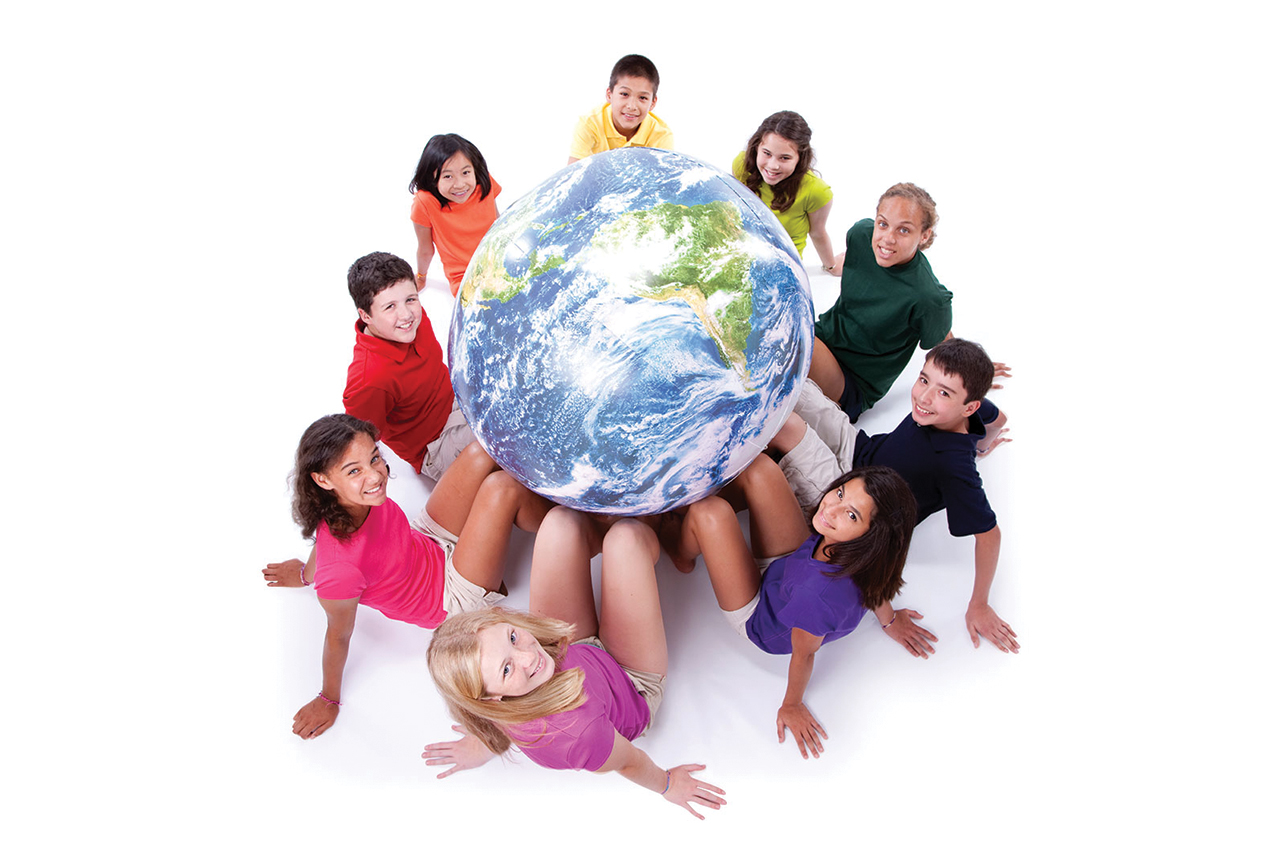
The Earth is what we all have in common.
— Wendell Berry.
To define environmental awareness we must first understand the environmentalist movement. Environmentalism is an ideology that evokes the necessity and responsibility of humans to respect, protect, and preserve the natural world from its anthropogenic (caused by humans) afflictions.
Environmental awareness is an integral part of the movement’s success. By teaching our friends and family that the physical environment is fragile and indispensable we can begin fixing the problems that threaten it. Environmental awareness means being aware of the natural environment and making choices that benefit the earth, rather than hurt it.
Environmental awareness grew in the second half of the twentieth century. With this awareness, the public demand for environmental safeguards and remedies to environmental problems became an expectation of a greater role for government.
Environmental awareness is to understand the fragility of our environment and the importance of its protection. It is to educate and to transfer knowledge in society about earth as a whole. That we are dependent on natural resources and how these resources should be utilized in proper and sustainable manner.
Climate Change Pledges You Can Make
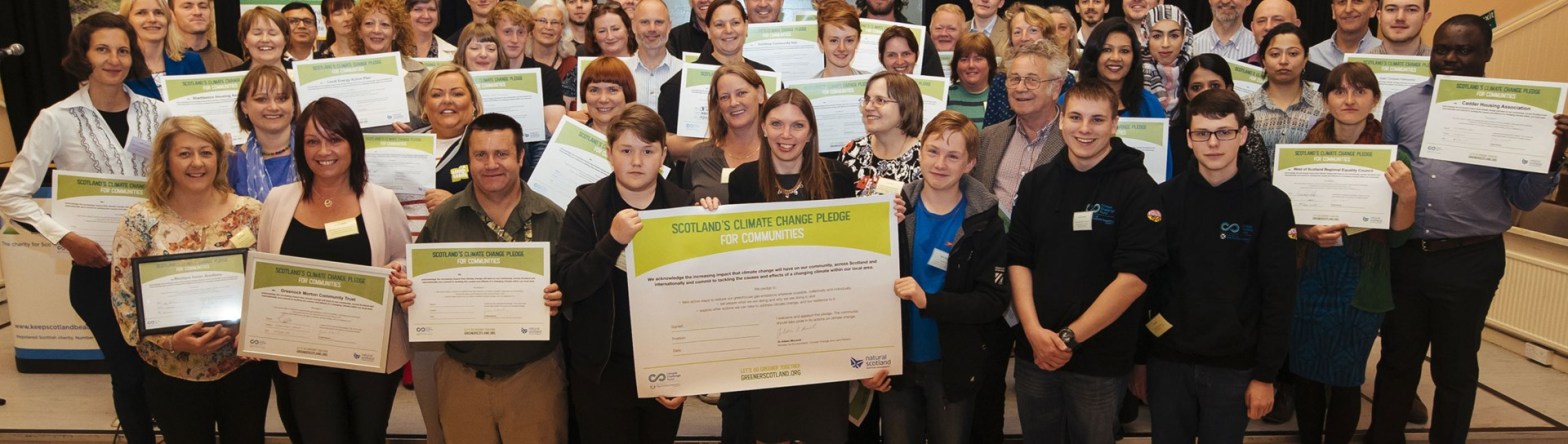
Climate change poses a fundamental threat to the places, species and people’s livelihoods WWF works to protect. To adequately address this crisis we must urgently reduce carbon pollution and prepare for the consequences of global warming, which we are already experiencing.
Contact your representative. Contact your member of Congress or the Senate. Ask him or her to support climate legislation.
Write a letter to one of your elected representatives at the local, state or Federal level. Tell them you believe climate change is important; and that you support the development and implementation of a climate action plan to reduce emissions and prepare for climate change impacts.
Learn more about your carbon emissions. There is much more you can do to reduce your household carbon emissions. Find out more about your emissions and where you can best reduce them by using an online “carbon calculator.” See the one maintained by the U.S. Environmental Protection Agency.
Commute by carpooling or using mass transit. More than a quarter of the vehicle-miles travelled by households are for commuting to and from work—usually with one person in the vehicle. Carpooling and mass transit are among options that offer big reductions in carbon emissions.
Plan and combine trips. A lot of driving involves frequent trips nearby, to go shopping or run errands, for example. Plan and combine trips to reduce the miles you need to travel. Better yet, take someone with you so they can leave their car behind. Replace your vehicle with one with better mileage. For details go to http://www.greenercars.org or http://www.epa.gov/greenvehicles/Index.do
Drive more efficiently. In particular, observe speed limits and avoid rapid acceleration and excessive breaking. Don’t drive aggressively.
Switch to “green power.” Switch to electricity generated by energy sources with low—or no—routine emissions of carbon dioxide. Contact your electricity provider to find out about the “green power” options available to you.
While at home, what can you do to help conserve Earth’s resources?
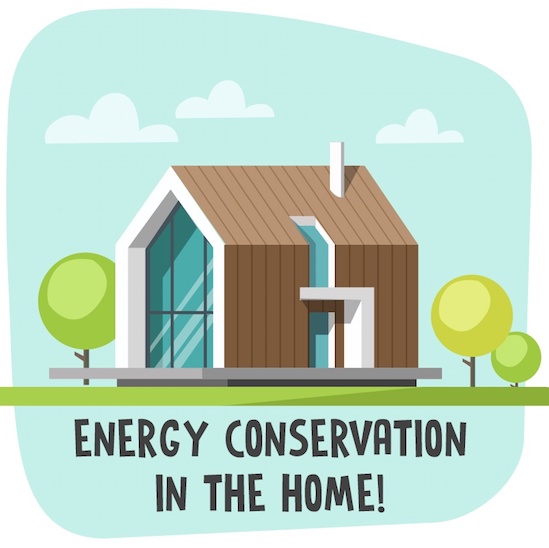
It’s true that aggressive policies and laws are crucial to save the planet. But carbon-cutting actions by individuals can also make a dent (especially when corporations and elected officials take note!). Here are some easy, concrete ways you can make a difference.
“Change only happens when individuals take action,” Aliya Haq, NRDC’s Climate and Energy special projects director, says. “There’s no other way, if it doesn’t start with people.”
Here are things that you can do to make a difference:
- Use only LED bulbs. LEDs use as little as 10 percent of the energy of incandescent bulbs. And because the average American home has around 40 to 50 lightbulbs, this is a simple swap that will reap huge rewards. If every household in the United States replaced just one incandescent with an Energy Star–labeled LED, we would prevent seven billion pounds of carbon pollution per year. That’s equivalent to the emissions of about 648,000 cars.
- Invest in energy efficient appliances. Since the Energy Star program’s inception in 1992, the U.S. Environmental Protection Agency estimates it has reduced climate-altering pollution by more than 2.7 billion metric tons—equivalent to the annual emissions of 700 coal-fired power plants—while saving consumers $430 billion in energy costs. A 15-year-old refrigerator, for example, uses twice as much energy as a new, Energy Star‒certified model. Replacing that old fridge could prevent 5,000 pounds of carbon pollution and cut your utility bill by as much as $260 over five years. (The EPA offers a refrigerator retirement calculator to estimate the savings.)
- Recycle old appliances. Recycling an old refrigerator through the EPA’s Responsible Appliance Disposal Program can prevent an additional 10,000 pounds of carbon pollution because the global-warming pollutants in the refrigerants and foam would be properly captured rather than vented to the air.
- Keep your electronics from drawing “excess energy.” Unplug rarely used devices, such as televisions in guest rooms. Plug others into power strips or “smart” outlets so they draw power only when needed. Use timers for items you might forget to turn on and off, like coffeemakers. Set your computer to go to sleep after 30 minutes or less of inactivity, and turn it off when you’re finished using it.
- Insulate. Up to one-third of home heat escapes through windows and doors, so if you’re feeling a draft, weather-strip your windows and use caulk to plug leaks, then hang heavier drapes. Properly insulating your walls and attic will also help preserve heat, energy, and money—in fact, all these improvements could cut your heating bill by 25 percent.
- Replace drafty old windows with double-paned, Energy Star–rated windows. This upgrade could cut carbon pollution by 2.4 tons per year for homes with gas heat, 3.9 tons with oil heat, and 9.8 tons with electric heat. A less expensive option is storm windows, which are temporary, install easily over existing windows, and can reduce heat loss by 25 percent to 50 percent. (If you’re renting or can’t replace your windows this year, you can apply low-emissive—also called low-E—film over them to reduce heat loss.)
- Make sure your fridge and freezer doors seal tightly when closed. Try the dollar-bill test. If a bill shut in the door is easy to pull out, it’s time to replace the gaskets.
- Cut down on snail mail. Sign up for e-billing. Paper bills generate about two million tons of carbon pollution a year. Stop junk mail and free yourself from unwanted catalogs.
- Stop throwing away food. Each Filipino wasted an average of 3.29kg/year, according to the Food and Nurtrition Research Institute of the Department of Science and Technology (FNRI-DOST). . And that means that all the energy, water, land, fertilizer, and other resources that go into growing, storing, transporting, and preparing that food is also wasted. Once food reaches landfills, it gradually converts to methane, a powerful climate pollutant. The most important thing to do is shop wisely—buy no more than what you expect to use.
- Compost. Organic materials, such as food scraps and yard waste, can be broken down and added to soil to help plants grow instead of sent to the landfill where they release methane.
- Go on a climate friendly-diet. Some food produces more carbon in its production and transportation than others. For example, if cattle were their own nation, they would be the world’s third-largest greenhouse gas emitters, behind China and the United States. Livestock like cows, sheep, and goats emit methane. Climate-altering pollution also is generated from the energy needed to grow feed for those animals.
Beef production creates five times more greenhouse gases than pork or chicken and eleven times more than staples like potatoes, wheat, and rice. If Americans cut just a quarter pound of beef a week from their diets, it would be like taking 10 million cars off the road for one year.
In addition to cutting down on beef and other carbon-intensive foods like cheese, yogurt, and butter, eat locally produced food. You’ll keep food from traveling long distances by planes, trains, trucks, and ships. - Buy less bottled water. Bottled water requires a lot of fossil fuels to manufacture and ship. Invest in a reusable water bottle you can refill when you’re thirsty. If you’re nervous about the quality of your local tap water, look for a bottle with a built-in filter.
When you have no choice but to buy a bottle of water, be sure to recycle it. (Only about 31 percent of plastic bottles were recycled in 2015.) Each recycled bottle is one fewer piece of plastic trash that could wind up in our oceans and harm marine life. - Plant a tree. One tree will absorb more than a ton of carbon dioxide during its lifetime.
Why is Environmental Awareness important?
“The Earth will not continue to offer its harvest, except with faithful stewardship. We cannot say we love the land and then take steps to destroy it for use by future generations.”
—John Paul II
We live in Earth planet. And we know that without trees, plants, water,etc we can’t make it. We all know how a life would look if there aren’t trees, plants animals etc . They are the ones that make the planet a living place.
Environment includes all living and non-living objects. We live in the environment and use the environmental resources like air, land and water to meet our needs. Development also means meeting the needs of the people. While meeting the ever-growing needs, we put pressure on the environment. When the pressure exceeds the carrying capacity of the environment to repair or replace itself, it creates a serious problem of environmental degradation. If we use any environmental resource such as ground water beyond its limit of replacement, we may lose it forever. Therefore, there is a need to create ‘awareness’ about Environmental protection. While efforts are being made at the national and international level to protect our environment, it is also the responsibility of every citizen to use our environmental resources with care and protect them from degradation.
In the past two decades, environment has attracted the attention of decision makers, scientists and even laymen in many parts of the world. They are becoming increasingly conscious of issues such as famines, droughts, floods, scarcity of fuel, firewood and fodder, pollution of air and water, problems of hazardous chemicals and radiation, depletion of natural resources, extinction of wildlife and dangers to flora and fauna. People are now aware of the need to protect the natural environmental resources of air, water, soil and plant life that constitute the natural capital on which man depends.
The environmental issues are important because the absence of their solutions is more horrible. Unless environmental issues are not solved or not taken care of the coming generations may find earth worth not living. The need of the planet and the needs of the person have become one. There is no denying the fact that environment has to be protected and conserved so to make future life possible. Indeed, man’s needs are increasing and accordingly the environment is also being altered, indeed, nature’s capacity is too accommodating and too regenerative yet there is a limit to nature’s capacity, especially when pressure of exploding population and technology keep mounting. What is required is the sustenance, conservation and improvement of the changing and fragile environment.
The growing awareness about environmental protection has resulted in new measures across the world. The late Prime minister Mrs. Indira Gandhi was the only Head of Government, attending the 1972 Stockholm conference, which was called the “U.N. Conference on Human environment”. The Rio Conference 20 years later was called the “U.N. Conference on Environment and Development”.
 Environmental Awareness